Pump Cavitation: A Costly Threat to Pumping Equipment
Pump cavitation is a serious issue in water management systems. It can severely damage pumping equipment, cause unplanned downtime, and increase maintenance costs. This issue is especially critical for operators of centrifugal pumps.
In this article, we cover the causes, warning signs, consequences, and proven prevention strategies for pump cavitation—key insights to help you protect the performance and lifespan of your pumping systems.
What Is Pump Cavitation?
Classic pump cavitation occurs when the pressure of the liquid entering the pump drops below its vapor pressure (see below). This results in the formation of vapor bubbles.
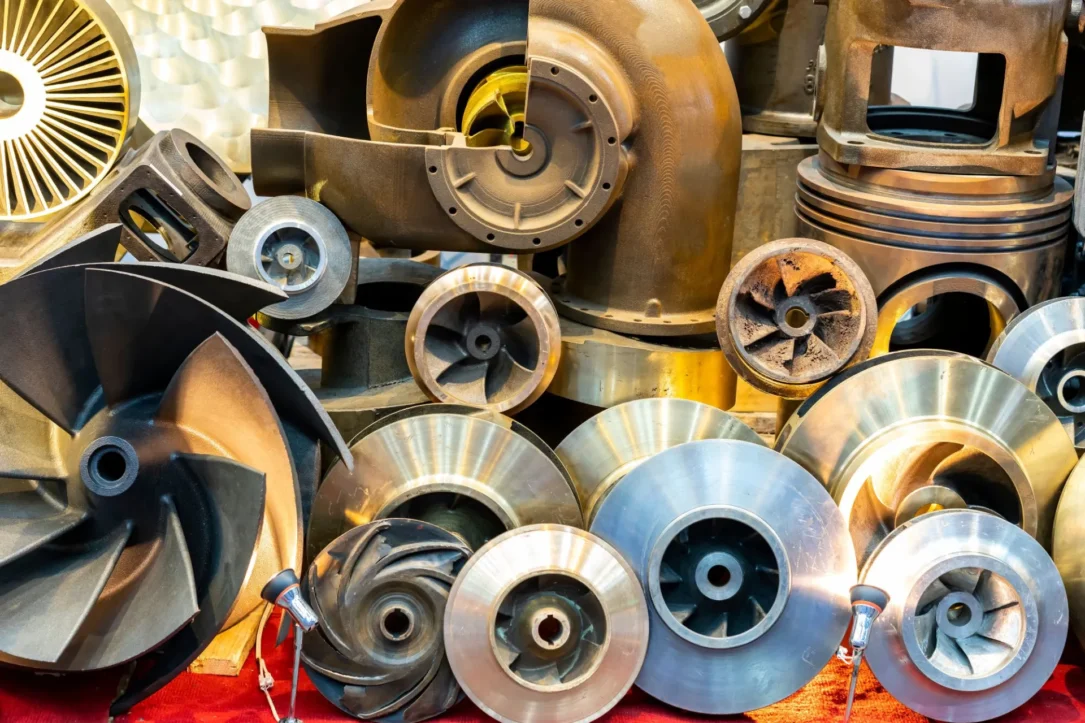
As these bubbles move into higher-pressure zones within the pump, they violently collapse. This implosion generates powerful shockwaves that can damage internal components such as impellers and pump casing walls.
Vapor Pressure Explained
Vapor pressure refers to a liquid’s tendency to evaporate—a property specific to each fluid being pumped.
The higher the vapor pressure, the more easily the liquid turns into vapor. Vapor pressure typically increases with temperature and is measured in atmospheres (atm), millimeters of mercury (mmHg), or kilopascals (kPa).
Other Forms of Cavitation
In addition to standard suction-side cavitation, the phenomenon can also occur in other forms:
- Discharge Cavitation:
Happens when discharge pressure is too high, causing fluid to recirculate inside the pump.
- Vortex Cavitation:
Caused by a vortex at the pump inlet, often due to low fluid levels in the supply tank.
- Turbulence Cavitation:
Results from chaotic flow, typically caused by poor piping design or misaligned connections.
Common Consequences of Pump Cavitation
Pump cavitation can lead to a range of mechanical and operational issues, including:
- Premature Wear and Tear:
Bubble implosions damage impellers, seals, bearings, and shafts.
- Reduced Energy Efficiency:
Pump performance drops, increasing energy consumption.
- Unplanned Downtime:
Cavitation-related failures can suddenly halt operations.
- Higher Maintenance Costs:
Frequent repairs and parts replacements drive up expenses.
Suspect Cavitation? We Have Proven Solutions.

Main Causes of Pump Cavitation & How to Fix Them
Several conditions can lead to cavitation. Here are the most common ones—and how to address them:
1 – Low Suction Pressure (Insufficient NPSHa)
When the pressure at the pump inlet falls below the liquid’s vapor pressure, vapor bubbles form. The system’s Net Positive Suction Head Available (NPSHa) must be greater than the pump’s NPSHr (Required).
Solution: Adjust system design or pump selection to maintain adequate NPSHa.
2 – High Fluid Temperature
Higher temperatures raise a liquid’s vapor pressure, reducing the safety margin against cavitation.
Solution: Keep fluid temperature low to reduce vapor pressure.
3 – Poor Piping Design
Poorly placed elbows, long suction lines, or incorrect pipe diameters can lead to pressure loss.
Solution: Optimize your piping layout to minimize friction loss.
4 – Inlet Blockages or Restrictions
Clogged filters, partially closed valves, or obstructed suction lines can lower inlet pressure.
Solution: Schedule regular maintenance to prevent blockages that impact suction pressure.
Summary Table: Main Causes of Pump Cavitation and Recommended Solutions
| Cause of Cavitation | Impact on the Pump | Recommended Solution |
| Low suction pressure (insufficient NPSHa) | Vapor bubbles form and collapse inside the pump, damaging the impeller and internal components | Ensure the system’s NPSHa is greater than the pump’s required NPSHr |
| High fluid temperature | Increased vapor pressure makes vapor bubbles more likely to form | Lower the temperature of the pumped fluid whenever possible |
| Poor piping design | Excessive friction losses reduce pressure at the pump inlet | Optimize piping layout (pipe diameter, length, and elbow placement) |
| Inlet blockages or restrictions | Reduced flow and lower suction pressure increase the risk of cavitation | Perform regular maintenance and check filters, valves, and suction lines |
How to Detect Cavitation: Warning Signs to Watch For
Early detection of cavitation can help prevent major damage. Watch for these symptoms and contact pump maintenance experts if they appear:
1 – Unusual Noises:
Sounds like gravel or marbles inside the pump caused by collapsing vapor bubbles.
2 – Excessive Vibration:
Abnormal vibrations may signal active cavitation.
3 – Performance Drops:
Decreased pressure or flow rate could be due to cavitation.
4 – Visible Damage:
Pitting or erosion on impellers and internal pump surfaces is a clear sign of prolonged cavitation.
Omnifab: Custom Pumping Solutions Built to Last
Pump cavitation is a destructive phenomenon that can compromise pump performance and reliability.
Understanding its causes, warning signs, and preventive actions is crucial to ensuring uninterrupted operations. At Omnifab, we have the expertise to support commercial, industrial, and institutional clients with pump solutions tailored to their needs.
Contact us to learn more about our electric pumps and turnkey water management services—including installation, maintenance, repairs, and more.