Contact us today!
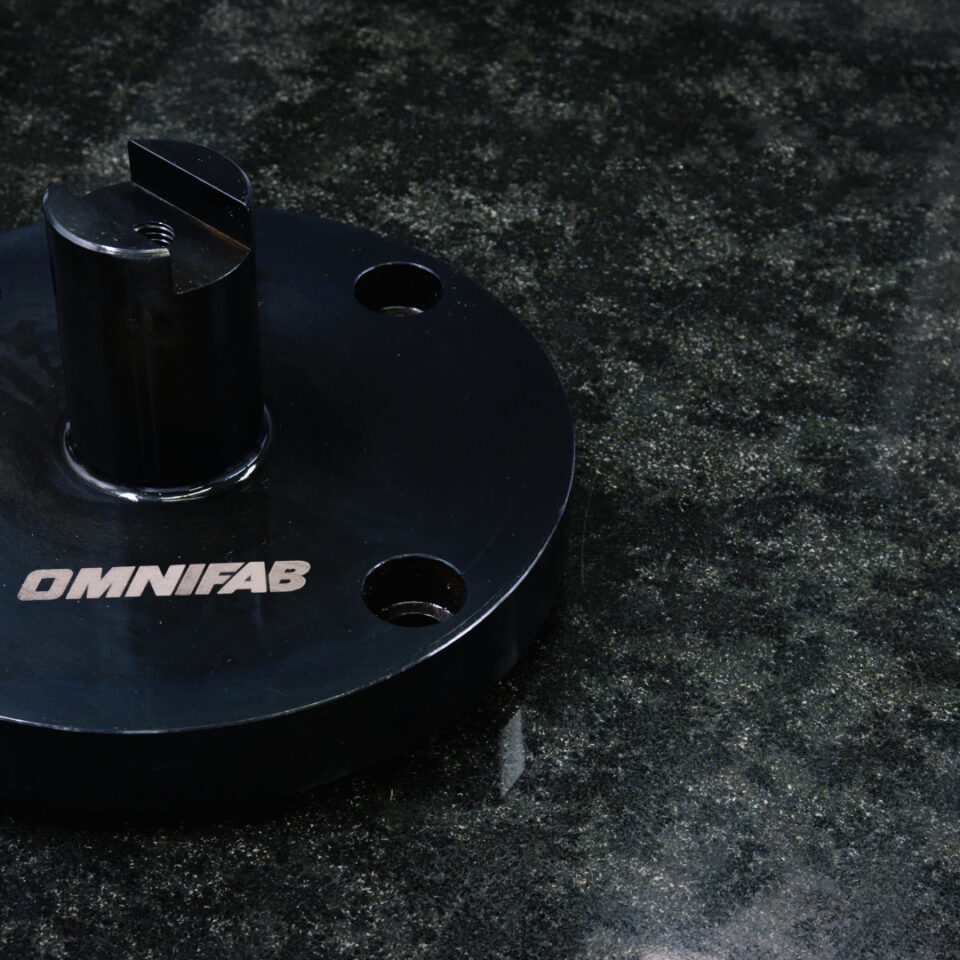
The Omnifab Chemical Blackening: A Surface Treatment with Many Positive Effects
Sometimes referred to as “chemical burnishing,” “black oxide treatment,” or simply “black oxide,” chemical blackening is a process that leads to the formation of a black iron oxide layer (from 0.2 to 3 microns thick (10^-3 mm)) on the surface of the metal parts treated with it. It should not be confused with mechanical burnishing, which refers to a polishing technique.
The use of chemical blackening to treat mechanical components is motivated by its main effects:
- It gives parts a beautiful appearance, coating them in a deep black that can have either a glossy or matte finish;
- It provides good protection against corrosion, especially when the black oxide coating is subsequently impregnated with oil or wax;
- It can contribute to improved lubrication of the part.
So, don’t hesitate to reach out if you’re looking to leverage blackening for parts manufactured by us, or to upgrade existing components for better appearance and durability.
Chemical blackening delivers excellent results on ferrous materials. Therefore, we can treat with black oxide most parts made of:
- Standard steel
- Low alloy steels
Black oxide is widely used across the industry. Here are some examples of components for which a black oxide coating is often beneficial:
- Machined parts or weldment parts;
- Hydraulic components; –
- Hand tools;
- Gears;
- Springs;
- Screws, bolts, nuts, etc.
To guarantee your satisfaction, we use only top-quality products and conduct a thorough examination of the parts we treat with black oxide.
We can perform oxalic acid tests directly in our factory. We can also have “Salt Spray” tests conducted by an external resource.
Additionally, our black oxide treatment complies with the MIL-DTL-13924D CLASS 1 standard.
What makes Omnifab the right choice?
- MIL-DTL-13924D CLASS 1 compliant service
- 24-hour delivery time available
- Treatment with top-quality products
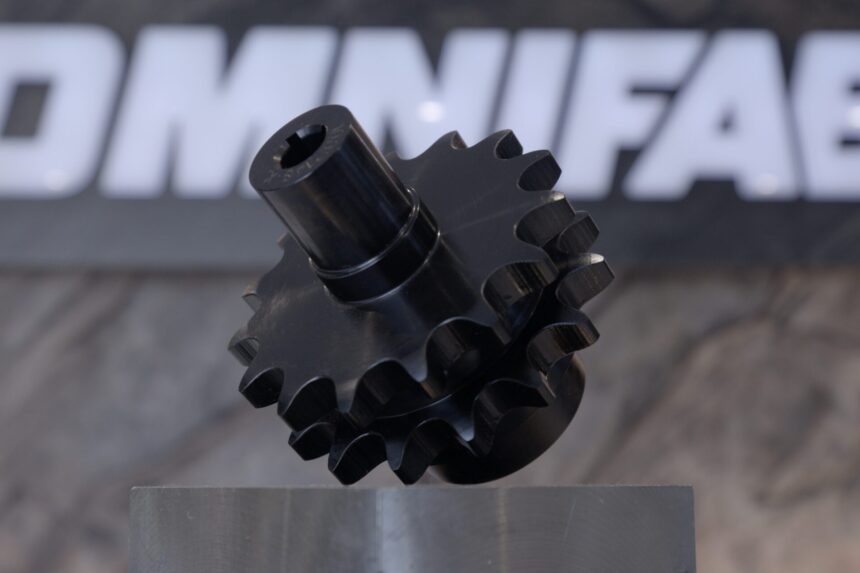
Some Advantages of Chemical Blackening
Chemical blackening offer several advantages when compared to other metal surface treatments available:
- It does not affect the hardness level of the parts;
- It does not alter the dimensions of the treated parts since its buildup is minimal;
- Parts treated with black oxide can be welded without generating toxic fumes;
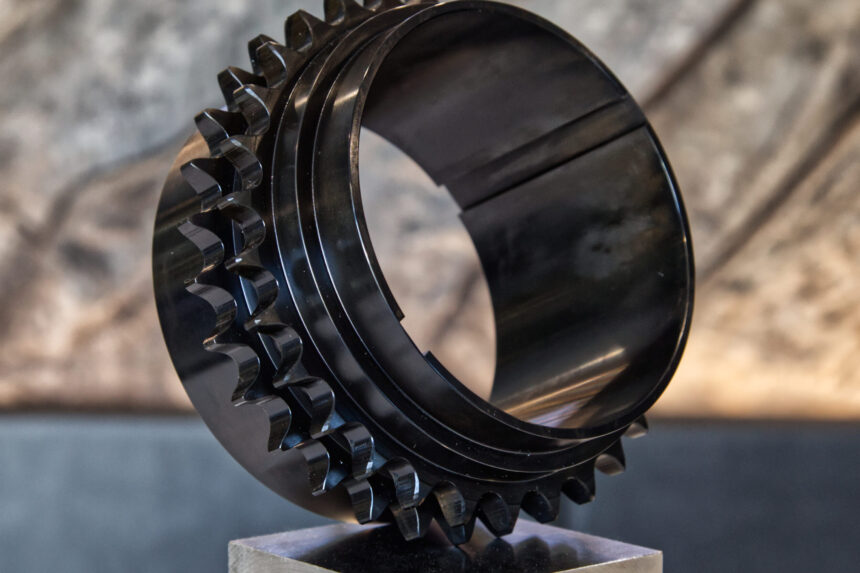
The Steps of Hot Blackening
Generally, we follow these steps to perform chemical blackening of a part:
- Cleaning using alkaline degreasing solutions;
- Rinsing with clear water;
- A second rinse with clear water;
- Blackening by immersion in the blackening solution;
- A third rinse with clear water;
- Sealing by immersion in a finishing bath;
- Air drying;
- Quality control (oxalic acid test available).

