Whether you’re looking for a water pump for your home, farm, business, or municipality, making the right choice can significantly impact the efficiency, reliability, and overall performance of your pumping system.
With such a wide range of water pumps available on the market, it can be challenging to navigate the different options and features.
That’s why our expert sales team has put together this comprehensive guide to help you make an informed decision.
Ask for Expert Help When Buying or Repairing a Water Pump

What is a Water Pump and How Does It Work?
A water pump is a mechanical device designed to move water from one location to another.
The operation of most water pumps can be described in a few key steps (Note: not all pumps operate the same way. This description is for a centrifugal pump):
Step 1: Creating Negative Pressure
When the pump is activated, a mechanical force is applied to spin a component called the impeller (or wheel). This impeller is equipped with blades that spin rapidly. As the impeller rotates, it creates a low-pressure zone inside the pump known as the suction area.
Step 2: Water is Drawn Into the Pump
The difference in pressure created by the impeller’s rotation draws water from the source (e.g., well, pond, lake, etc.) into the pump through the intake.
Step 3: Water Moves Through the Impeller
The water is accelerated by the impeller’s blades. This acceleration creates centrifugal force, pushing the water outward from the impeller. As the water is expelled, it passes through a device called a diffuser, which is designed to convert kinetic energy into pressure energy.
Step 4: Water Discharge
The pressurized water exits the diffuser through the pump’s discharge port. It is then transported through pipes or hoses to its intended destination (e.g., storage tank, irrigation system, water supply network, etc.).
Step 5: Repeating the Cycle
The impeller continues to rotate and draw in water, maintaining a steady flow in the pump.
Steps of Pump Operation – Table
| Step | What Happens | Key Purpose |
| Step 1: Creating Negative Pressure | Impeller spins, creating a low-pressure zone inside the pump. | Draw water into the pump efficiently. |
| Step 2: Water is Drawn Into the Pump | Water enters the pump through the intake due to pressure difference. | Allows continuous flow from the source. |
| Step 3: Water Moves Through the Impeller | Impeller blades accelerate water, creating centrifugal force; water passes through the diffuser. | Converts kinetic energy into pressure for efficient pumping. |
| Step 4: Water Discharge | Water exits through the discharge port and is sent to the destination. | Provides pressurized water to system or storage. |
| Step 5: Repeating the Cycle | Impeller continues spinning, drawing and moving water. | Maintains a steady, continuous flow. |
Main Types of Water Pumps
To choose the best water pump for your intended use, it’s important to be familiar with the most common types available.
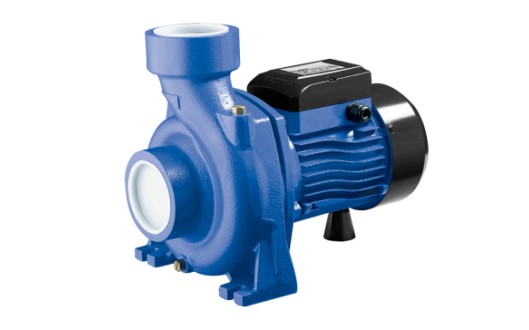
Surface Pumps
As the name suggests, a surface pump is designed to be installed above the water source. This means water is drawn in via a suction hose.
Common uses for surface pumps include:
- Drinking water supply (for not-too-deep wells)
- Irrigation and garden watering
- Water drainage (draining pools, ponds, etc.)
- Industrial system supply
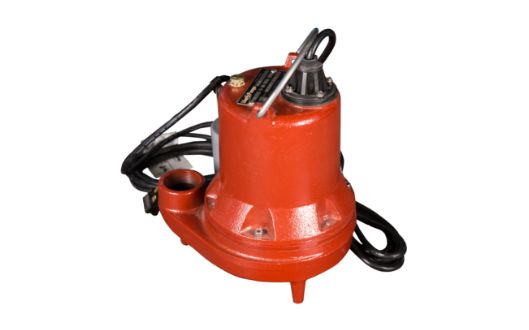
Submersible Pumps (also called submerged pumps)
A submersible pump has its motor sealed and tightly coupled to the pump’s body. These pumps can be submerged in water and push it to the surface.
Submersible pumps are typically self-priming and operate quietly.
They are often used for:
- Deep well water supply
- Agricultural irrigation (underground water source)
- Flood zone drainage
- Wastewater pumping
- Sewage water lifting and pumping
- Construction site drainage
- Industrial applications
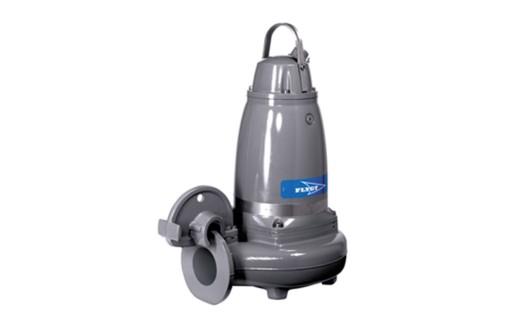
Sump Pumps
A sump pump, sometimes called a dewatering pump, is specifically designed to move wastewater or debris-laden water to higher levels or distant areas when natural gravity flow isn’t feasible.
Some of these pumps are designed to handle wastewater containing solids, debris, or particles. These pumps, equipped with robust components and shredding systems to prevent blockages, are known as chopper pumps.
Common uses for sump pumps:
- Residential and commercial sewage management
- Stormwater drainage
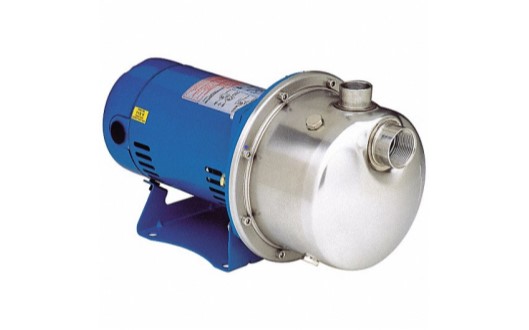
Booster Pumps (also called Pressure Pumps)
A booster pump is used to increase the pressure in a distribution system where the available pressure is insufficient.
These “water boosters” are used by both individuals and municipalities. For example, a town with a water distribution system may rely on one or more booster pumps to ensure adequate pressure for residents and fire services.
Main Types of Water Pumps – Table
| Pump Type | How it Works | Common Applications |
| Surface Pump | Installed above water source; draws water via suction hose. | Drinking water, irrigation, drainage, industrial supply. |
| Submersible Pump | Motor sealed and submerged; pushes water to surface; typically self-priming. | Deep well supply, agricultural irrigation, sewage lifting, flood drainage, industrial use. |
| Sump Pump | Moves wastewater or debris-laden water to higher/distant areas; some include shredding/chopper systems. | Residential/commercial sewage, stormwater drainage. |
| Booster Pump | Increases pressure in low-pressure distribution systems. | Municipal water supply, firefighting, residential/commercial boosting. |
Key Features to Consider When Choosing a Water Pump
Pumping Flow Rate
The flow rate of a pump refers to how much water it can supply per unit of time, usually measured in gallons per minute (GPM) or liters per second (L/s).
Make sure to choose a pump that can provide enough flow to meet your needs.
People using water pumps for construction, farming, or industrial purposes generally choose pumps capable of handling more than 2,500 liters per minute. Residential pumps typically range from 100 to 200 liters per minute.
Pump Pressure
The pressure of a pump refers to the force exerted by the pump to push water through the system. It is measured in psi (pounds per square inch) or bars.
Ensure that the pump you’re considering can provide the pressure required to reach the desired locations or meet the specific needs of your application.
Suction Lift (Vertical Suction Height)
This refers to the vertical distance between the water source and the pump itself.
For example, if you’re looking for a pump to drain a pond or a flooded basement, ensure the pump’s suction lift is sufficient for your needs.
Maximum Head (Total Lift Height)
This figure indicates the maximum height the pump can move water. For example, if you need to lift water by 25 meters (82 feet), choose a pump with a maximum head of at least 30 meters (98.4 feet).
Type of Water to Be Pumped
Some pumps are designed for “clean water” and cannot handle water with debris (otherwise, they may clog or break). Other pumps can manage small, medium, or large debris.
The type of water also affects the physical properties of the fluid, which in turn influence the pressure behavior at the pump inlet—a key factor in the onset of cavitation problems.
Consider all the ways you’ll need to use the pump to ensure it’s capable of performing in various conditions.
Power Source
Water pumps are typically electric or gas-powered. Choose the power source that is most convenient and suited to your situation.
Electric pumps operate more quietly, require less maintenance, and can be used indoors (no harmful emissions), making them the logical choice for most situations.
However, if you’re planning to use the pump in a remote area or need maximum portability, a gas-powered pump may be the better option.
Accessories
Some pump models come with accessories that might be useful:
- A pressure gauge to monitor pressure levels
- A bladder tank to store pressurized water and prevent pump restart
- A strainer on the suction hose to filter the pumped water
- A check valve
- And more.
Take the time to evaluate which accessories you need and which you can do without.
Reliability and Warranty
Choose a product from one of the top pump manufacturers. These brands typically offer the most reliable products and will also provide a solid warranty.
Additionally, opting for a well-established brand will ensure you can easily find replacement parts.
Some trustworthy pump brands include:




Cost
Lastly, evaluate the cost of the pump, including the initial purchase price, operating costs, and maintenance fees.
Compare multiple options to find the best value based on your needs.
Quick Guide / Checklist – Choosing a Water Pump
| Feature | What to Check | Why it Matters |
| Pumping Flow Rate | Measured in GPM or L/s; ensure sufficient for intended use. | Determines how much water can be moved in required time. |
| Pump Pressure | Measured in psi or bars; meets system requirements. | Ensures water reaches desired locations efficiently. |
| Suction Lift | Vertical distance between source and pump; verify pump capability. | Impacts pump’s ability to draw water from source. |
| Maximum Head (Total Lift) | Maximum height water can be moved; choose slightly higher than needed. | Ensures water reaches intended elevation. |
| Type of Water | Clean water vs. debris-laden; small, medium, large particles. | Determines if pump can handle conditions without clogging/damage. |
| Power Source | Electric or gas; suitability for indoor/outdoor or portable use. | Affects convenience, maintenance, and emissions. |
| Accessories | Pressure gauge, bladder tank, strainer, check valve, etc. | Enhances performance, safety, and system reliability. |
| Reliability & Warranty | Established brand, warranty, replacement parts availability. | Ensures long-term performance and easier maintenance. |
| Cost | Initial purchase, operating, and maintenance costs. | Helps select the most cost-effective and suitable solution. |
For the Best Water Pump, Ask the Experts at Omnifab
In conclusion, water pumps come in many forms and feature various characteristics that make them suitable for different uses. To achieve the desired performance, it’s important to select a pump type designed for your specific applications.
To be certain of your choice, trust a team with comprehensive expertise in the field. In addition to distributing several reputable brands, we also offer pump repair and maintenance services, giving you peace of mind.
Contact us with any questions!